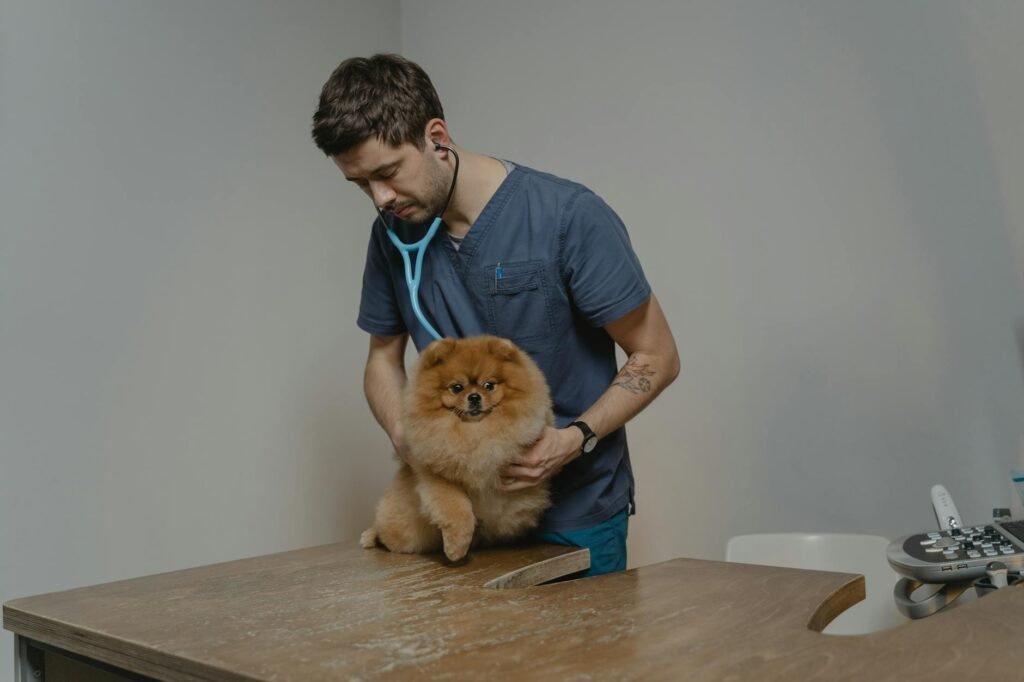
A routine vet visit in 2026 costs $50 to $250 for a basic exam. An emergency visit can run $1,500 to $5,000+ after diagnostics, hospitalization, and treatment. That’s a huge spread, and the price you pay depends on three things: what kind of visit it is, where you live, and what type of clinic you go to. This guide breaks down the real numbers, the hidden fees, and how to plan for veterinary expenses before they sneak up on you.
The Short Answer: Vet Visit Cost by Visit Type
Here is what U.S. pet owners typically pay in 2026, before insurance:
- Routine wellness exam: $50–$100
- Core vaccinations (set): $75–$150
- Spay/neuter surgery: $200–$700 (varies by size and clinic)
- Dental cleaning (with anesthesia): $300–$1,200
- Blood work panel: $80–$250
- X-rays: $150–$400
- Ultrasound: $300–$600
- Emergency exam fee (after hours): $100–$300, plus treatment
- Hospitalization (per day): $200–$700
- Major surgery (e.g., ACL repair, foreign body): $1,500–$6,000+
The median pet owner spends roughly $300–$600 per year on routine veterinary care, plus whatever urgent or specialty visits come up. Pets with chronic conditions can easily exceed $2,000/year.
Vet Visit Cost by Major U.S. City
Where you live drives a large share of the cost. Here’s the typical range for a standard wellness exam + vaccinations across major U.S. metros:
| City | Vet Clinics Listed | Wellness + Vax (Typical) | Notes |
|---|---|---|---|
| San Francisco, CA | 110+ | $200–$320 | Highest baseline in the country |
| New York, NY | 140+ | $190–$310 | Manhattan clinics top the range; outer boroughs cheaper |
| Los Angeles, CA | 130+ | $160–$280 | Westside premium; valley clinics moderate |
| Boston, MA | 95+ | $170–$280 | University-area clinics often offer reduced-cost teaching options |
| Seattle, WA | 105+ | $160–$260 | Strong urgent-care tier between GP and ER |
| Washington, DC | 80+ | $170–$270 | DMV-area suburban clinics 20% cheaper than DC proper |
| Chicago, IL | 120+ | $140–$240 | Mid-tier dominant |
| Denver, CO | 90+ | $130–$220 | Outdoor-pet population means high preventive-care volume |
| Atlanta, GA | 110+ | $130–$220 | Strong corporate (Banfield/VCA) presence |
| Austin, TX | 70+ | $130–$220 | Independent clinics 15–20% cheaper than corporate |
| Dallas, TX | 105+ | $120–$200 | Full Dallas pricing breakdown |
| Houston, TX | 110+ | $110–$190 | Among lowest median costs in major metros |
| Phoenix, AZ | 95+ | $120–$210 | Summer-heat protocols add ER volume from dehydration |
| Miami, FL | 100+ | $130–$220 | Tropical-disease testing (heartworm, leptospirosis) standard |
If your city isn’t above, browse veterinary clinics by city — PetSoMo lists vets in 1,800+ U.S. cities.
What Drives the Bill Up
Three factors quietly inflate vet bills more than people expect:
1. Clinic type and ownership
A solo-practitioner clinic in a suburban strip mall typically costs 20–40% less than a large specialty hospital for the same routine exam. Corporate-owned chains (Banfield, VCA, BluePearl) often have standardized pricing and aggressive wellness-plan upsells. Independent vets tend to be more flexible on payment plans and price discussions.
For routine care, an independent local vet is usually the best value. For complex cases — orthopedic surgery, oncology, cardiology — a specialty hospital is worth the premium because of expertise and equipment.
2. Diagnostics, not exams, are where the cost lives
The $75 exam fee is rarely the issue. The bill explodes when diagnostics get added: bloodwork ($80–$250), X-rays ($150–$400), ultrasound ($300–$600), urinalysis ($35–$70), fecal exam ($25–$60). A “let’s run a few tests” visit can easily total $400–$800 before any treatment.
This isn’t always overkill — diagnostics matter for accurate diagnosis. But it’s worth asking before the tests run: which of these change the treatment plan, and what would we do if we skipped this one?
3. Emergencies are 2–5x the cost of normal care
Emergency vet clinics charge a higher exam fee ($100–$300 vs. $50–$100 at a GP) because they’re staffed for stabilization and surgery 24/7. A “simple” emergency — gastritis, mild allergic reaction, foreign-body suspected — often runs $800–$2,000. A serious one — bloat surgery, hit-by-car trauma, toxin ingestion — routinely exceeds $4,000.
Pet Insurance, Wellness Plans, and Out of Pocket
Three ways pet owners pay for vet care, and when each makes sense:
Pet insurance
Monthly premiums typically run $25–$70/month for dogs ($15–$45 for cats), with annual deductibles of $250–$1,000 and reimbursement at 70–90% after the deductible. Best for: unexpected illness and injury. Not for routine wellness (most plans exclude or upsell wellness as an add-on). Worth running the math: if your dog is young and healthy, insurance is essentially a hedge against the $5,000 emergency you hope never happens.
Wellness plans (clinic-direct)
Banfield, VCA, and many independent vets offer monthly plans bundling 1–2 exams/year, vaccinations, dental cleaning, and some bloodwork for $30–$80/month. Math: a Banfield plan at $50/mo = $600/year, which can be a fair trade for 2 wellness exams + vaccines + dental if you’d otherwise pay $700–$900 retail. Less compelling once your pet is established and only needs an annual visit.
Out of pocket + emergency fund
A growing approach: skip insurance, build a dedicated $2,500–$5,000 pet emergency fund in a high-yield savings account, and pay routine care out of pocket. Works well if you’re disciplined about funding the account. Falls apart the first time a major surgery comes up before you’ve built the buffer.
ER vs. Urgent Care vs. General Practice — Where to Go When
Going to the wrong venue is a common (and expensive) mistake:
- General practice (your regular vet): Routine exams, vaccines, mild illness with no urgent symptoms, follow-ups. Cheapest. Schedule normally.
- Urgent care (newer tier, growing fast): Same-day walk-in for non-life-threatening issues — ear infections, hot spots, limping, mild GI upset. Costs 20–40% less than an ER and usually has shorter waits. Look for clinics labeled “urgent care” or “VetCare” in your area.
- Emergency hospital (ER): Hit-by-car, bloat (GDV), bloody vomit/diarrhea, suspected toxin ingestion, breathing difficulty, prolonged seizure, severe trauma. Open 24/7 with surgical capacity. Expensive but irreplaceable when needed.
Rule of thumb: if it can wait until tomorrow morning without your pet getting worse, the GP or urgent care is the right call. If it cannot, drive to the ER.
How to Ask About Pricing Before You Commit
Most vets are comfortable discussing cost — they just don’t bring it up unless you do. Three questions to use:
- “What’s the cost of the recommended diagnostic / treatment, and what would change in our plan if we skipped it?” This is the most useful question in veterinary medicine. It distinguishes essential tests from nice-to-haves.
- “Is there a generic version of this medication?” Many vet meds have human-grade or generic equivalents at 1/3 the price. Just ask.
- “What’s the total estimated cost before we proceed?” Get a written estimate (most clinics call this a “treatment plan”) signed before any non-urgent procedure. Standard practice; no good clinic refuses.
Tools that help you spot issues before they become emergencies: [placeholder-link: digital pet thermometer], [placeholder-link: pet first-aid kit], [placeholder-link: pill organizer for daily medications]. We’ll update these with vetted picks once our Amazon Associates application clears.
Lower-Cost Vet Options Worth Knowing
If a routine vet is straining your budget, these alternatives are legitimate and increasingly common:
- Veterinary school teaching hospitals. If you live near a university with a vet program (UC Davis, Cornell, Tufts, Texas A&M, Colorado State, etc.), the teaching hospital often charges 30–50% less for routine and specialty care. Care is supervised by board-certified faculty.
- Nonprofit and reduced-cost clinics. Humane Society affiliates, ASPCA clinics, and city-run animal services often run vaccine clinics ($20–$40 for core vaccines) and low-cost spay/neuter ($75–$200).
- Mobile vaccine clinics (Vetco, VIP Petcare, PetVet). Found inside Petco, Tractor Supply, and PetSmart. Vaccines and basic wellness only — no surgery or complex care. Good for healthy adult dogs needing routine vaccines.
- Telemedicine for triage. Services like Pawp, Airvet, and Vetster offer $15–$50 video consults — useful for “should I go to the ER?” decisions.
Find a Vet Near You
To compare real veterinary clinics in your area, including independent practices, corporate chains, and emergency hospitals:
- Browse all U.S. veterinary clinics on PetSoMo
- Vets in New York, NY
- Vets in Los Angeles, CA
- Vets in Chicago, IL
- Vets in Houston, TX
- Vets in Dallas, TX — or read our Dallas vet pricing deep-dive
Each PetSoMo listing shows verified hours, services, vaccination requirements, and real reviews from local pet parents. Free to compare, no commission, never charged to send a lead to multiple clinics like lead-resale platforms.